What you'll learn
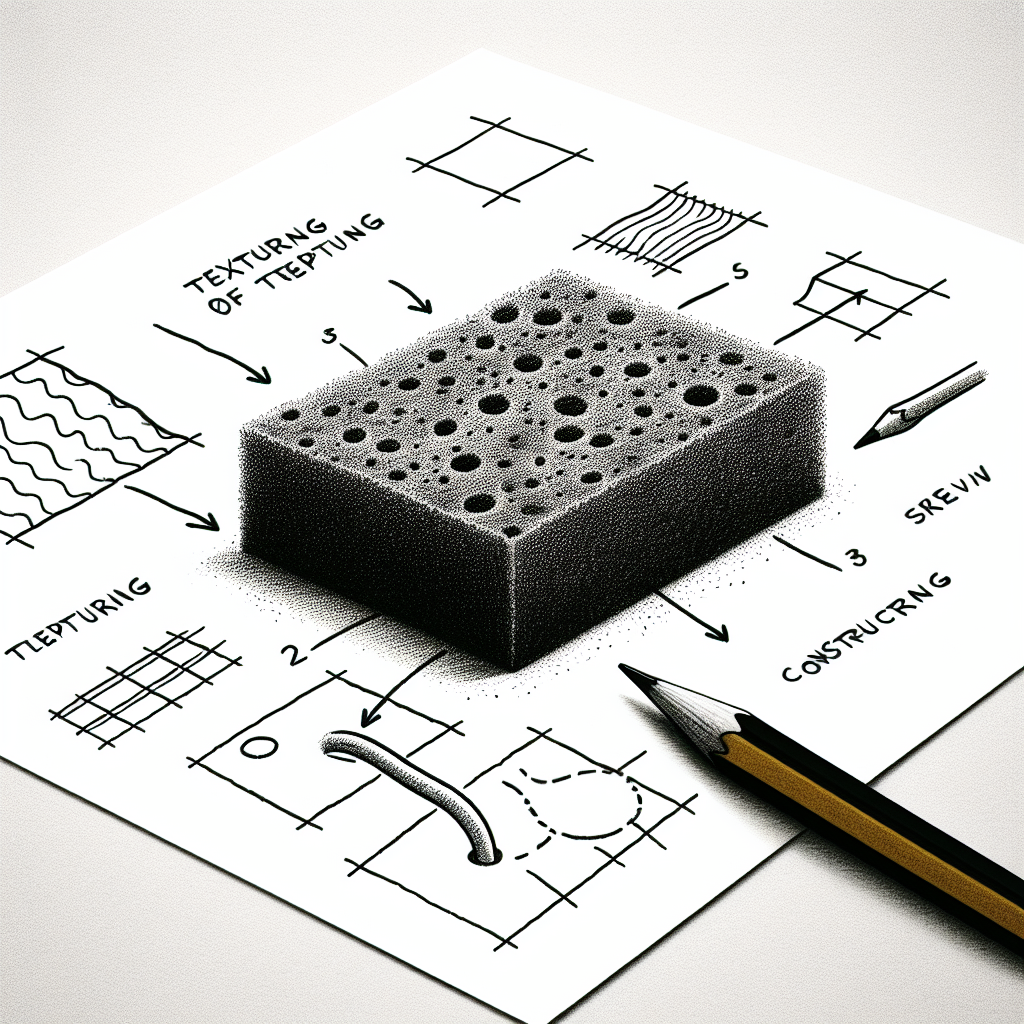
A sponge is perfect for practicing texture because its porous surface can be easily depicted with stippling, a technique accessible to beginners. This exercise helps artists capture the distinct pattern and texture of a sponge using simple dots.
What you'll need
Step-by-step: how to draw sponge
Start by lightly sketching the basic outline of the sponge, keeping its rectangular shape in mind.
Observe the sponge's surface closely and identify areas of shadow and light.
Begin adding texture using stippling: apply small dots more densely in shadowed areas and more sparsely in lighter sections to mimic the sponge's porous texture.
Refine your texture by adjusting the density and size of the dots to create a realistic surface appearance.
Pro tips for drawing sponge
Self-evaluation checklist
Evaluate your sketch by comparing the density and size of the dots you used to the sponge's actual texture. Look for areas where light, shadow, and texture are effectively conveyed, and ensure they reflect the natural appearance of a sponge.
Frequently asked questions
How long does this drawing exercise take?
The full sponge exercise is designed to fit in about 10 minutes of focused practice — one of the reasons it works as a daily habit.
Do I need any prior drawing experience?
No. This lesson is aimed at beginner artists and assumes only a pencil, paper, and willingness to observe.
What skill does this lesson target?
The focus is texture. Repeating similar exercises over time is how this skill becomes second nature.
More drawing lessons


Get a new drawing lesson delivered to your inbox every morning — free.
Subscribe to Draw Daily →